

Call Us
+60124043321Call Us
+60124043321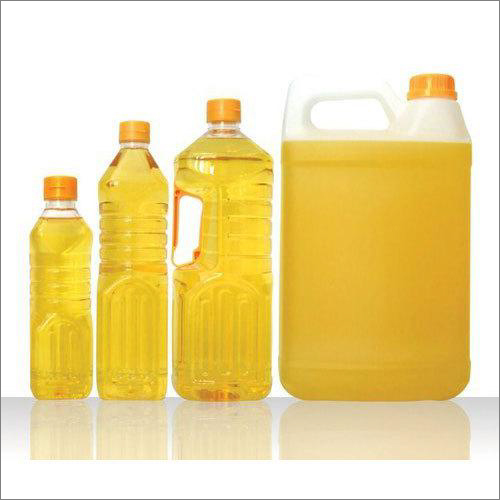
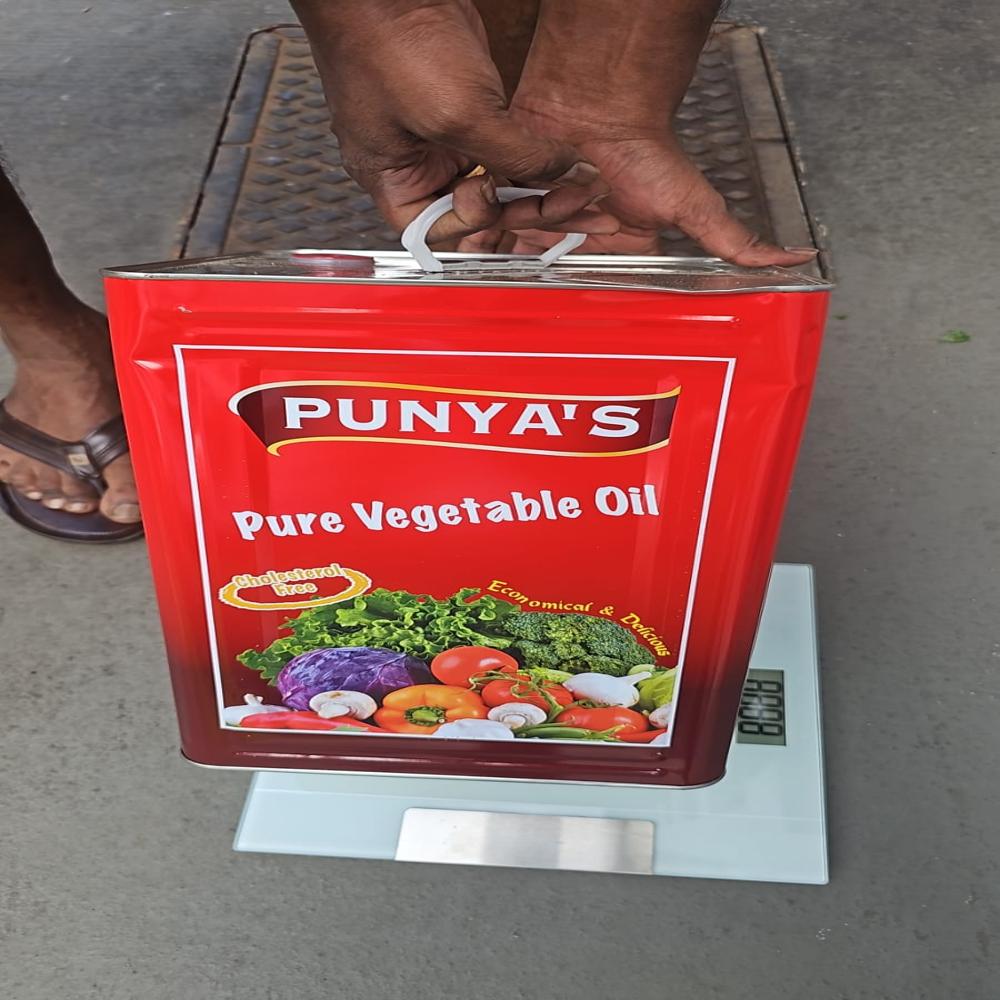
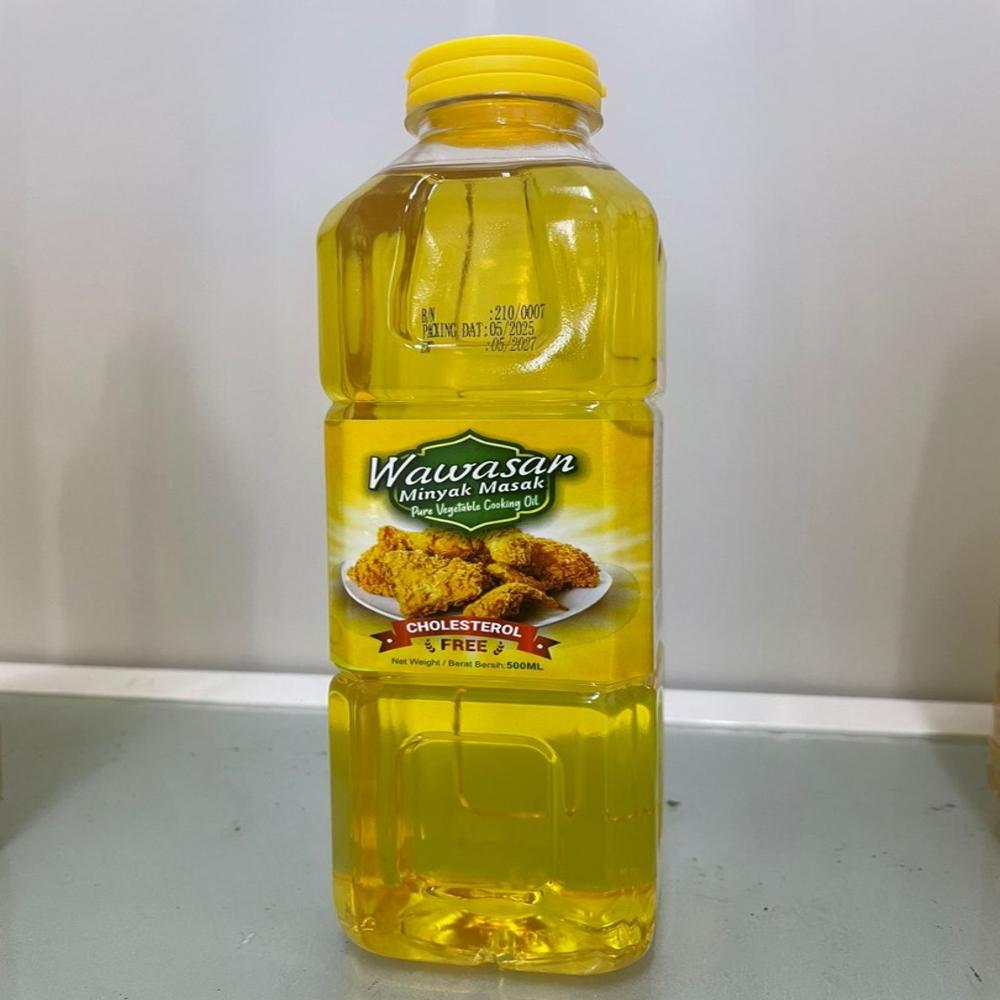
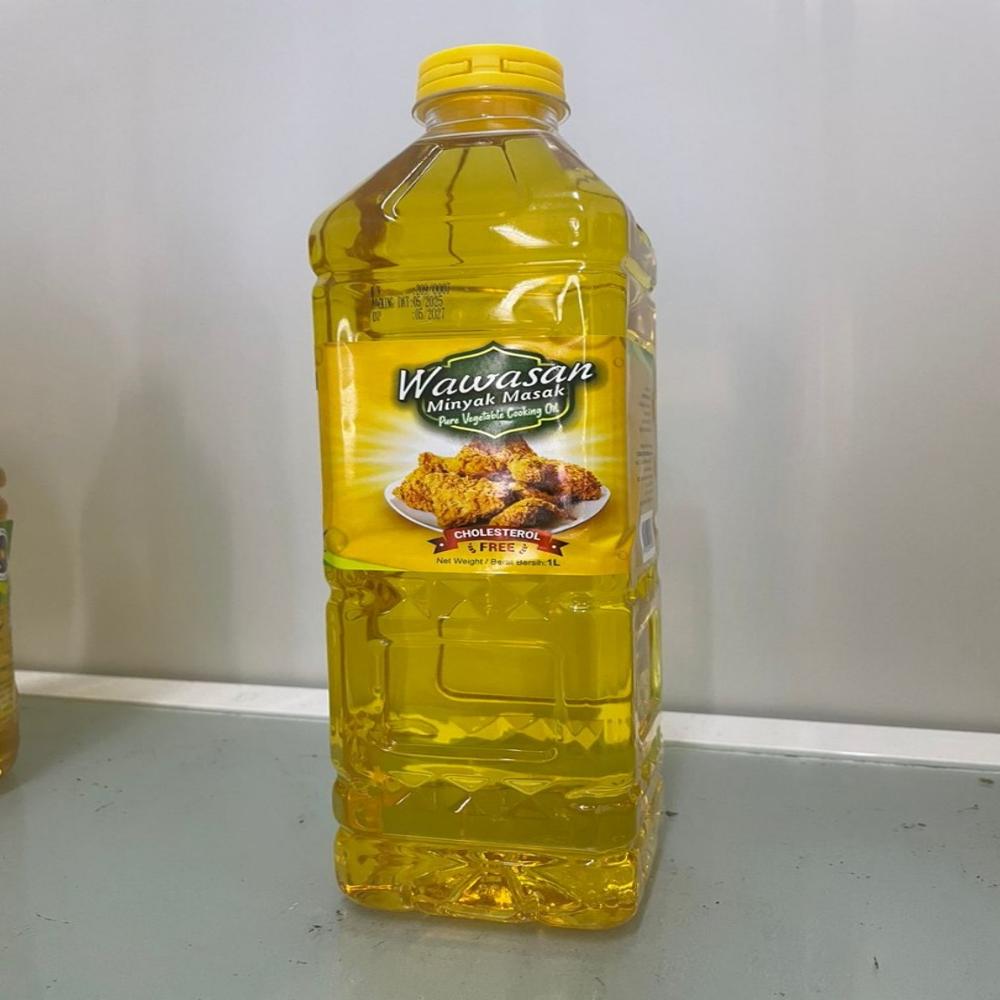
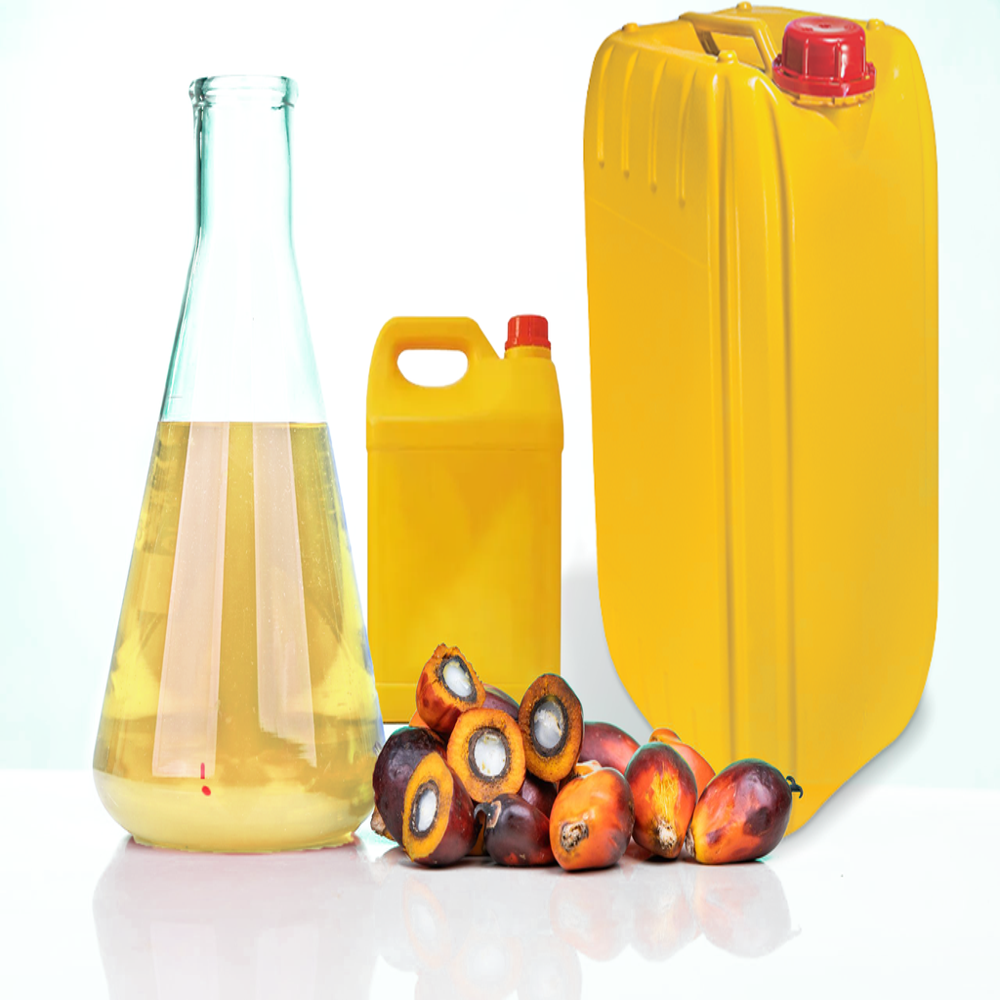
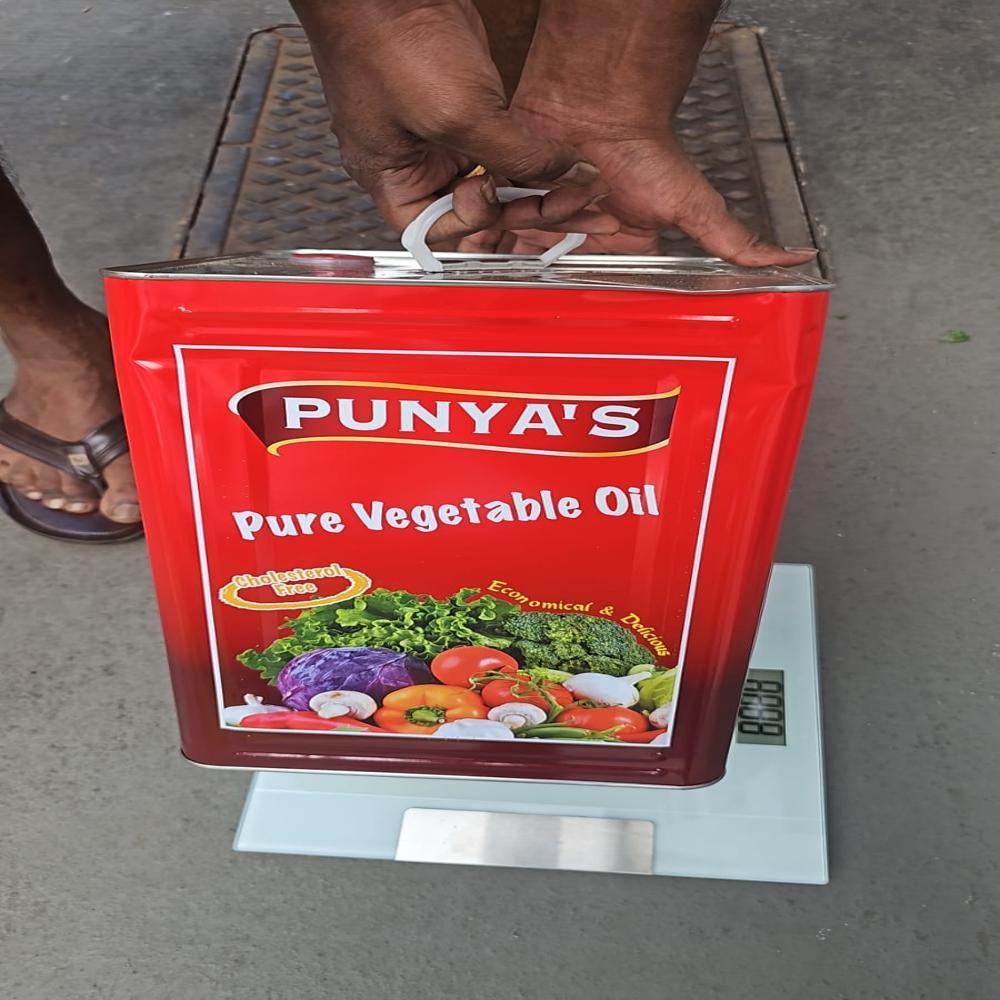
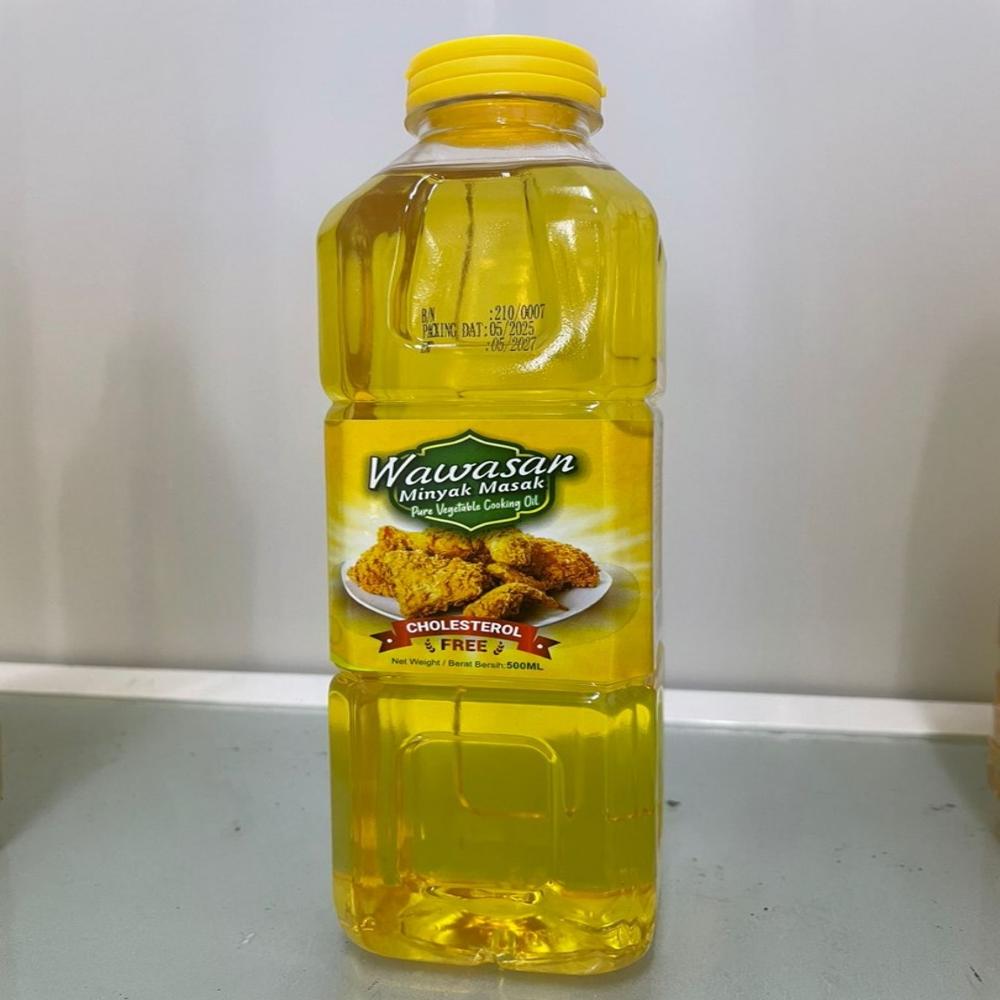
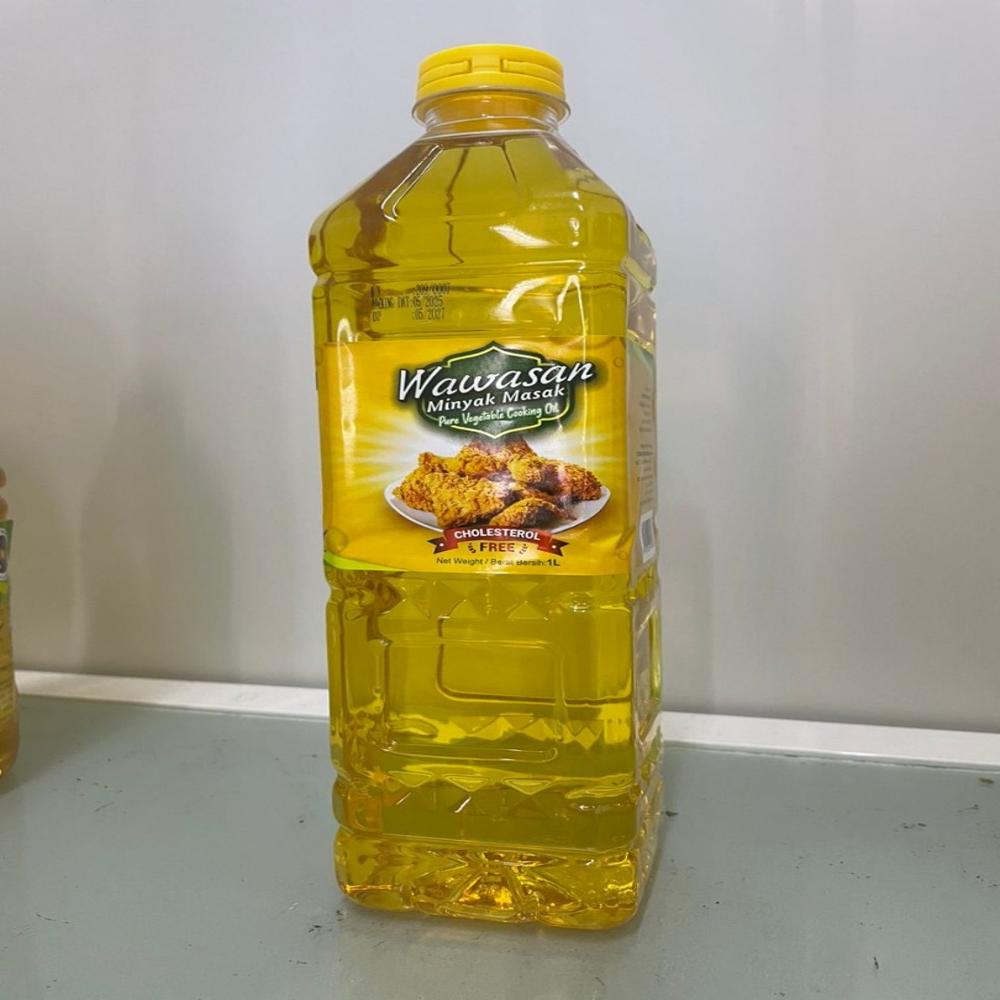
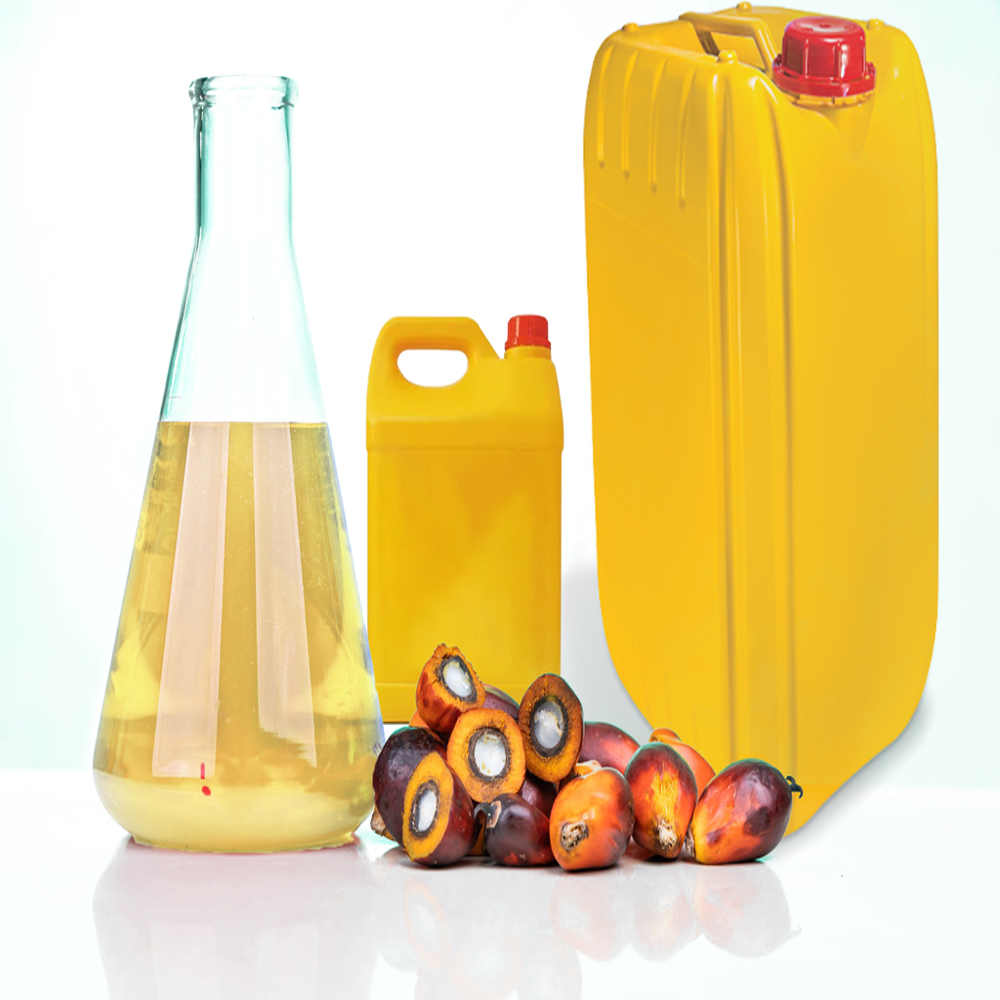
Of course. Here is a detailed breakdown of RBD Palm Olein cooking oil.
What is RBD Palm Olein?
RBD Palm Olein is a specific type of refined vegetable oil derived from the fruit of the oil palm tree (*Elaeis guineensis*). The name itself describes its processing and properties:
* RBD Stands for Refined, Bleached, and Deodorized. This is a standard industrial process that crude palm oil undergoes to make it edible, stable, and visually appealing.
* Refining Removes free fatty acids (FFA) and impurities.
* Bleaching Uses clay to remove color pigments and other minor contaminants.
* Deodorizing Uses steam distillation under high heat and vacuum to remove volatile compounds and odors, resulting in a neutral-flavored oil.
* Palm The source of the oil.
* Olein This is the liquid fraction of palm oil. Crude palm oil is naturally semi-solid at room temperature. Through a process called fractionation, it is separated into two main parts:
* Palm Stearin The solid, high-melting point fraction.
* Palm Olein The liquid, low-melting point fraction.
In simple terms, RBD Palm Olein is the clear, liquid, refined version of palm oil that remains liquid at room temperature.
---
Key Characteristics & Properties
1. Physical State Liquid at room temperature (around 25C / 77F). It will cloud and solidify when refrigerated.
2. Color Typically a light golden yellow to clear, depending on the level of refining.
3. Flavor and Odor Neutral and very mild. The RBD process strips away the strong flavor and odor of crude palm oil, making it ideal for cooking where you dont want the oil to overpower the food.
4. Smoke Point High smoke point, typically around 235C (455F). This makes it excellent for high-heat cooking methods.
5. Fatty Acid Profile
* Balanced Saturated & Unsaturated Fats It contains approximately 40-43% saturated fat (primarily palmitic acid) and 50-55% unsaturated fat (primarily oleic acid, a monounsaturated fat similar to olive oil).
* Low Polyunsaturated Fat It has a relatively low amount of polyunsaturated fats (around 10-13%), which are less stable and prone to oxidation.
---
Common Uses
RBD Palm Oleins properties make it one of the most versatile and widely used cooking oils in the world, especially in the food industry and commercial food service.
* Deep Frying This is its primary use. Its high smoke point and excellent oxidative stability mean it doesnt break down quickly at high temperatures. This results in:
* Longer fry life (less oil turnover needed for restaurants).
* Less oil absorption by the food, leading to a less greasy product.
* Crispy texture and golden color in fried foods like french fries, chicken, chips, and doughnuts.
* Shallow Frying & Sauting Its neutral taste makes it suitable for everyday frying of eggs, vegetables, and meats.
* Food Manufacturing Used as a key ingredient in a vast array of products:
* Instant noodles (for pre-frying the noodles)
* Potato chips and other snacks
* Margarines and shortenings (as a blend component)
* Bakery products (cookies, pastries)
* As a Cooking Oil In many tropical countries, it is the default bottled cooking oil found in households for all general purposes.
---
Shelf Life
* Typical Shelf Life 12 to 24 months from the date of manufacturing when stored properly.
* Factors Affecting Shelf Life
* Storage Conditions The biggest enemies are heat, light, and oxygen. It should be stored in a cool, dark, dry place, tightly sealed.
* Packaging It is often packaged in sealed, opaque containers or dark plastic bottles to protect it from light, which can cause oxidation.
* Signs it has gone bad
* Off Smell A sharp, sour, or stale odor (rancid smell).
* Off Taste A sharp or unpleasant acidic taste.
* Color Change May become darker.
Its natural composition (low polyunsaturates and high natural antioxidants like tocopherols and tocotrienols - Vitamin E) gives it a naturally longer shelf life compared to oils high in polyunsaturated fats (like soybean or sunflower oil).
---
Health & Nutritional Considerations (A Balanced View)
The health impact of palm olein is a topic of debate, and its important to look at it objectively.
* The Saturated Fat Concern Its 40% saturated fat content has historically raised concerns among health experts, as high consumption of saturated fats is linked to increased LDL ("bad") cholesterol and heart disease risk.
* The Counter-Perspective More recent studies suggest the effect on blood cholesterol may be less dramatic than fats like butter. Furthermore, it contains no *trans* fats (unless formed during excessive reheating), which are widely agreed to be more harmful.
* Cholesterol-Neutral? Some research indicates that the specific structure of its palmitic acid and the presence of oleic acid might make it "cholesterol-neutral" in some individuals when consumed as part of a balanced diet.
* Conclusion Like most oils, moderation is key. It is not a "health food" like olive or avocado oil, but it is not uniquely toxic either. It is a stable, neutral-flavored cooking oil best used primarily for high-heat frying in a diverse diet.
---
Summary Table
| Feature | Description |
| :--- | :--- |
| Full Name | Refined, Bleached, and Deodorized Palm Olein |
| Source | Liquid fraction of the oil palm fruit |
| Processing | Refined, Bleached, Deodorized, and Fractionated |
| State at Room Temp | Liquid |
| Color | Light Golden to Clear |
| Flavor/Odor | Neutral, Very Mild |
| Smoke Point | High (235C / 455F) |
| Key Fatty Acids | 40% Saturated (Palmitic), 45% Monounsaturated (Oleic) |
| Primary Use | Deep Frying (Commercial & Home), Food Manufacturing |
| Shelf Life | 1-2 years (store in cool, dark place, tightly sealed) |
| Health Note | High in saturated fat; consume in moderation as part of a balanced diet. |

Price:


 ongylpg@gmail.com




 Send Inquiry
 Send Inquiry
 Send SMS
 Call Me Free